

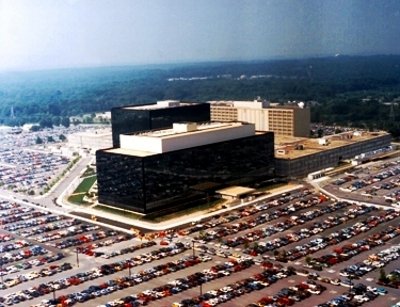
The US Social Security Administration is facing a looming shortage of data center capacity.
According to a new report, the agency's existing data center will not be able to support its expanding capacity requirements by 2012 and the planned new facility cannot be completed until 2015.
In addition to quickly approaching full capacity, the SSA's existing data center, built in 1979, is also suffering from "significant structural problems and electrical-capacity issues  that now make construction of a new primary computer center imperative", according to the SSA inspector general's latest report on top challenges facing management.
Data center replacement accounts for the agency's primary IT investment for the next several years and it has received more than US$500m through the American Recovery and Reinvestment Act of 2009 to implement its project. According to the agency's own projections, however, the facility may not come online for another four years.
The delay has been caused at least partially by the trouble-ridden site-selection process for the new facility.
Last summer, the SSA said its new facility will be built in Maryland but stopped short of settling on a single location within the state ÔÇô also home to the agency's existing data center. Instead it zeroed in on two possible locations: Urbana or Woodlawn.
The decision to narrow the selection down to two locations came after a critical report by the inspector general that pointed out numerous flaws in the site-selection process used by the SSA.
NSA to break ground on new data center
Meanwhile, the US National Security Agency is expected to hold a ground-breaking ceremony in Utah this Thursday, marking the official start of construction of its new US$1.2bn data center, according to a report by The Salt Lake Tribune.
Construction of the 65MW facility will be led by Big-D, DPR and Balfour Beaty. The project at the US National Guard's Camp Williams base includes a 1million-sq-ft facility and mechanical and electrical infrastructure. The data center itself will occupy a 100,000-sq-ft space.
The US Army Corps of Engineers, the project's overseer, picked the three leading contractors from a list of more than 370 bidders.