
The US government has taken a 9.9 percent stake in beleaguered chipmaker and designer Intel.
The state invested $8.9 billion in Intel, with $5.7bn coming from funds that would have been awarded through the CHIPS Act and $3.2bn from funds from the Secure Enclave program. Intel has already received $2.2bn from the CHIPS subsidies, but the claw-back and profit-sharing provisions in the subsidies will be eliminated.
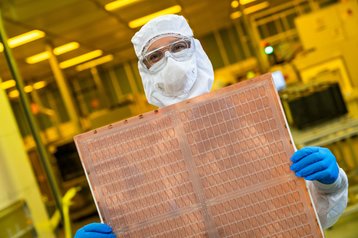
The deal comes after a turbulent time for the US chipmaker, where it has seen its market share eroded both in chip design and manufacture, damaging the capabilities of the nation's only leading-edge chipmaker.
“The United States paid nothing for these Shares, and the Shares are now valued at approximately $11 Billion Dollars,” President Donald Trump said on Truth Social (the US did pay for the shares, but through already-allocated chip funds that Trump previously threatened to rescind).
“This is a great Deal for America and, also, a great Deal for INTEL.”
The government will also have a warrant to buy an additional five percent of Intel shares if the company is no longer majority owner of its foundry business. The government will not have a board seat or other governance rights.
President Trump said the agreement had come out of negotiations last week with Lip-Bu Tan, Intel’s CEO.
“I said, ‘I think it would be good having the United States as your partner.’ He agreed, and they’ve agreed to do it. And I think it’s a great deal for them.”
The meeting was held after Trump claimed Tan had ties to the Chinese state and called for his immediate resignation. Intel disputed the claims.
“He walked in wanting to keep his job, and he ended up giving $10 billion to the United States," Trump said. "So we picked up $10 billion. And we do a lot of deals like that. I’ll do more of them."
In a statement, Tan added: “As the only semiconductor company that does leading-edge logic R&D and manufacturing in the US, Intel is deeply committed to ensuring the world’s most advanced technologies are American-made.
“President Trump’s focus on US chip manufacturing is driving historic investments in a vital industry that is integral to the country’s economic and national security. We are grateful for the confidence the President and the Administration have placed in Intel, and we look forward to working to advance US technology and manufacturing leadership.”
Intel has seen chip manufacturing shift to Taiwan's TSMC, which develops semiconductors for rivals Nvidia, AMD, Apple, AWS, Google, and others. It also makes some of Intel's chips. Intel's chip fabs have repeatedly been forced to delay the latest process nodes, and still remain years behind TSMC and Samsung.
On the design side, AMD's CPUs have eaten into Intel's once monopolistic market dominance, while Arm processors are surging. Intel missed the current AI boom, which is nearly totally controlled by Nvidia.
After several failed turnaround efforts and mounting losses, Intel has enforced multiple rounds of mass layoffs and canceled or delayed several in-development chip fabs. The company in July said that it may be forced to cancel or pause the development of Intel 14A and successor leading-edge nodes due to financial difficulties.
More in Investment / M&A / Financing
-

-

-

Episode 2027 Trends and Outlooks: Europe



Comments