
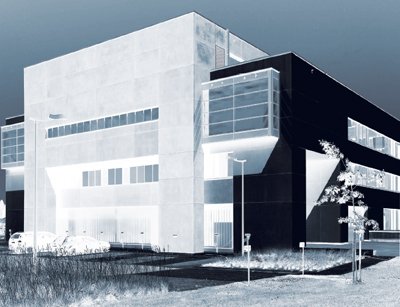

Mergers, consolidation and the Cloud are becoming familiar concepts in the health industry. But one hospital in the west of Belgium – the Jan Yperman Hospital – is planning to use these trends as a money-spinning venture that will one day turn the hospital itself into a provider of IT applications and services.
It is not a small task. Neither is it an inexpensive one. To prepare, the hospital is upgrading its entire network and data center space using two Juniper QFabric QFX3000-G systems which can scale up to 6,144 10GbE ports each with an average latency of five microseconds port-to-port. It is also rolling out Juniper’s EX Series Ethernet Switches in its local area network (LAN) environment. This will be integrated with the hospital’s existing infrastructure.
The network, according to the hospital, will be crucial for the delivery of services in real time, especially if it starts selling services. But this is not a story about the hospital’s network. It is actually about the transformation in the way the hospital does its business and how medical imaging is a key driver for the change it is implementing.
Jan Yperman Hospital ICT Manager Francky Deleu says it is the medical imaging technologies that have really changed the way the hospital has to think about its data center infrastructure and IT.
Its digital imaging data is generated by new digital operating, radiology and pathology rooms. The use of medical imaging with these facilities has already seen the hospital experience a growth in images which is now at 20 Terabytes a year, and uptake is expected to increase, which in turn means the amount of images generated will grow.
“We have an exploding demand for images in and outside of the hospital,” Deleu says.
And the introduction of personal devices and the hospital’s future plans for bed-side digital TV as well as devices that monitor patients both inside and outside of the hospital environment will see its demand for data capacity explode.
“We also plan to expand our operating room to cater for robotic surgery equipment which will require a remakable gain in our application performance,” Deleu says.
Cashing in on the Cloud
Jan Yperman Hospital is luckier than many others around the world. It was newly built in 2007 following a merger of smaller entities. Starting from scratch meant the hospital was designed with digital technology in mind “which is why the network is so important”, Deleu says.
Previously, it would take the hospital 15 to 20 seconds to download just one study from its LAN. Deleu expects that running a fabric architecture will help bring this down to less than five seconds. It will also allow the hospital to turn its IT into a money spinner.
“We want our future [IT] staff to focus on clinical applications, because applications will be where we see the most change in hospitals – computerized physician entry systems and the fourth generation of applications will have such a tremendous impact on IT staff,” Deleu says.
“We also want to provide a fully managed service through a secure link.
“There are a lot of mergers taking place in hospitals in Belgium, and we can move our own clinical applications into the Cloud and become a provider for smaller entities. If we have a good computerized system, the hospitals will surely use it.”
Jan Yperman’s two data centers are 100% virtualized. They operate in an active-active configuration. Deleu says this means they are already designed for this vision of the future.
This article first appeared in FOCUS issue 25. To read our digital edition – and see the full article - click here.