

The energy-sector business of global electronics and electrical engineering giant Siemens has purchased a stake in a UK developer of tidal power solutions, entering a renewable energy market the company expects to grow substantially over the next decade.
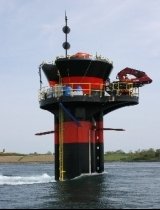
Siemens Energy Sector bought just under 10 percent of Marine Current Turbines, a Bristol-based company that has so far implemented one commercial demonstration project of its technology in Northern Ireland's Strangford Lough. The prototype, called SeaGen, includes two axial turbines with a total cumulative generation capacity of 1.2 MW that have been supplying electricity into a regional grid since 2008.
Marine Current's prototype project SunGen has exceeded 1,000 hours of operation and has so far generated more than 800 MWh of power
According to a Marine Current statement, the company expects to deploy the first commercial tidal energy farm in UK waters within two years from now.
"With this investment in an early stage company we're securing access to an innovative technology in the field of renewables,"CEO of Siemens Energy's Renewable Energy Division Ren├® Umlauft said in a statement. "As one of the technology leaders in ocean power, Marine Current Turbines is a suitable partner for us to enter the promising ocean power market."
Besides providing APOGEE, its facilities management and automation system for data centers and other mission-critical environments, Siemens has an extensive list of data center outsourcing services.
By making the investment, Siemens joins a list of investors that includes Carbon Trust, High Tide, Bank Invest and EDF Energy. Carbon Trust led the first round of investment in 2008 and Siemens'contribution to the second round brought total investment in the company to £8.5 million.
An ownership stake in Marine Current gives Siemens another way to participate in a plan by a group of nine European countries to connect multiple renewable energy sources, such as wind, tidal and hydro, to an underwater North Sea transmission grid.
Germany, Great Britain, France, Denmark, Sweden, the Netherlands, Belgium, Ireland and Luxembourg will participate in the Ôé¼30-billion project, according to a BusinessWeek report.