
Democrats in the US Senate have blocked the Ratepayer Protection Act, claiming it does not do enough to protect Americans from energy price rises.
The bill, which passed the US House of Representatives with broad bipartisan support in a 417-3 vote, would require data centers to cover the full cost of grid and generation upgrades needed to serve their facilities.
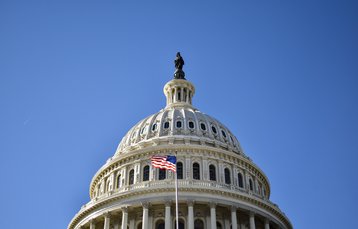
However, the bill does not force states to adopt the standards. Democrats argued that without a mandate, adherence to the bill is optional and ineffective.
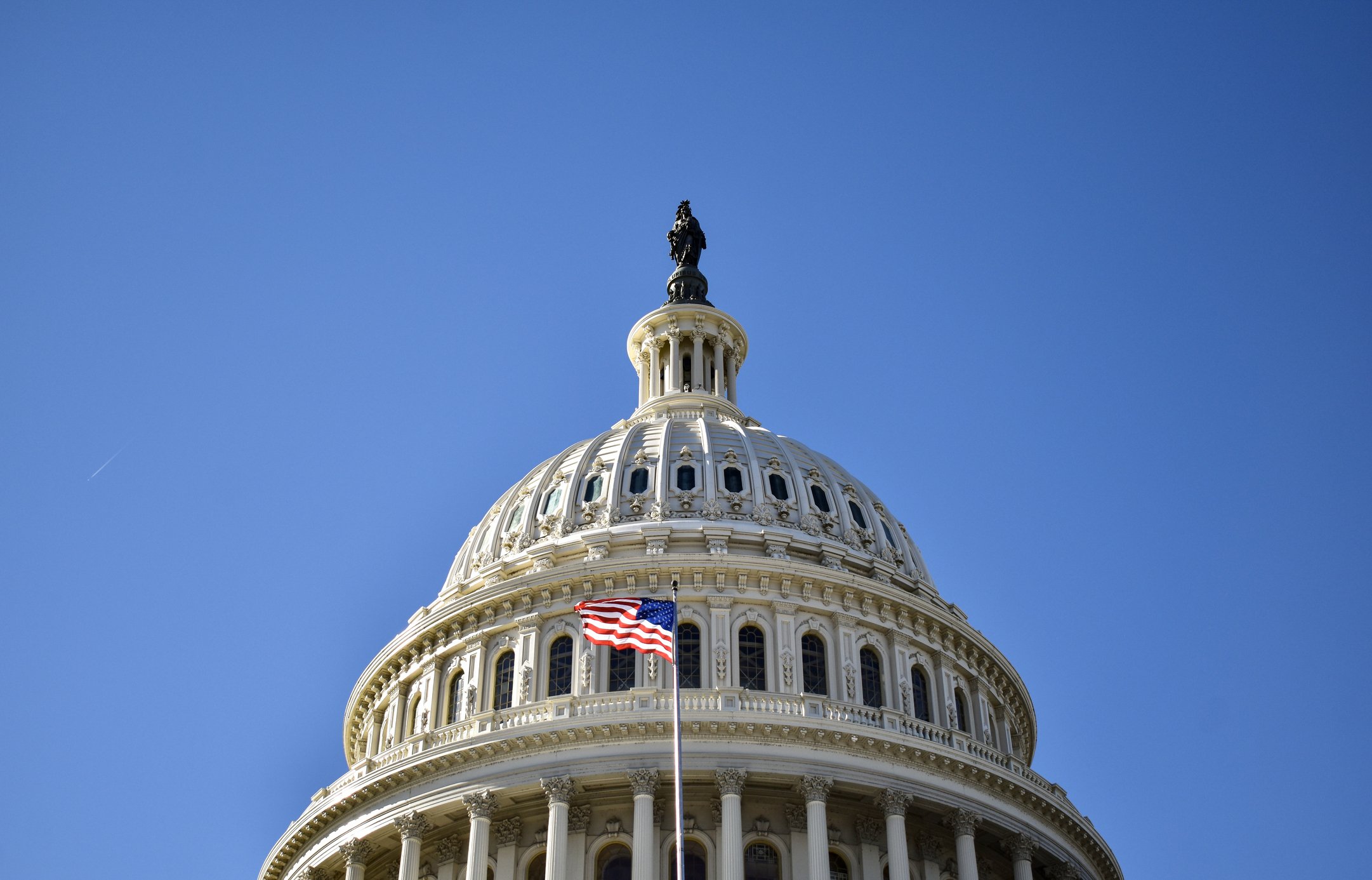
Just four Democrats voted for the bill: Jon Ossoff, Raphael Warnock, Maggie Hassan, and Amy Klobuchar, leaving the vote at 57-43.
At least 60 votes are needed to overcome the Senate filibuster.
Speaking on the Senate floor, Democrat minority leader Chuck Schumer called the bill “toothless” and “a fraud.”
“At a time when Americans are calling out for real guardrails on AI, Senate Republicans are trying to secure an ineffectual participation trophy before they skip town. Instead of trying to score cheap political points with hollow proposals, Senate Republicans need to work with us to take meaningful action that will actually contain these existential risks,” Schumer said.
Some of the act’s proponents argue that, despite the lack of a mandate, it could force states that weren’t already to look at such standards.
In posts on social media, Republican Senator Jon Husted claimed the Democrats “would rather focus on politics than actually solve problems for the American people.”
He added: “The Ratepayer Protection Act was such a no-brainer that some of the most conservative and the most liberal representatives all agreed it was good policy. Senate Democrats are the only ones who refused to take yes for an answer.”
There is still bipartisan effort to look at ratepaying in the US, with further legislation unveiled this week, the Bipartisan American Affordability and Jobs Act of 2026, that would make large data center operators pay for their own incremental power costs, instead of other power users.
This bill would not limit states from seeking additional costs from heavy load users. It would also look at the financing of electricity grid upgrades for heavy load users, forcing the covered load to provide grid operators with financial assurances before any upgrades are made.
There are a number of other provisions in the new bill, including limitations on lawsuits to 150 days of any project’s approval, a two-year time limit on environmental reviews, and limits to presidential authority in revoking already approved permits.





Comments