
As market confidence gradually returns, a lot of cash has been poured into new and existing data centers in North America the first half of 2013. That is according to the latest market-update report from the commercial real estate firm CBRE.
The firm has tracked 20 data center transactions between January and June whose value totaled more than US$275m in data center acquisitions in the US and Canada.
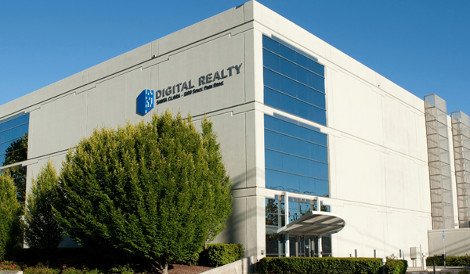
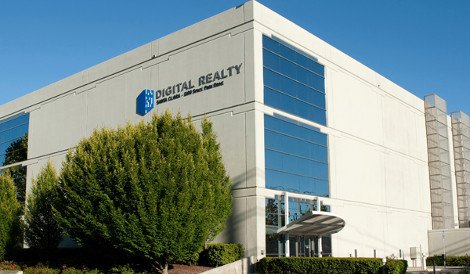
Examples of major transactions included seven deals Digital Realty Trust made over the six months, spending $141m to add 12 buildings to its portfolio. Other examples were ByteGrid's acquisition of the 340,000 sq ft Cleveland Technology Center from Matrix Realty and acquisitions of two data centers in Massachusetts and North Carolina by Carter Validus.
There has been a downward trend in pricing for wholesale data center space in the first half of the year, but CBRE expects pricing to stabilize over the year's second half. Retail-colocation rates have remained flat and even grew in some markets.
The top wholesale markets are Northern Virginia, Atlanta, Chicago, Dallas, Phoenix and the Silicon Valley. The most available data center capacity is in the Atlanta market, where 52.5MW of critical power is up for grabs, most of which, is in two QTS facilities, according to the report.
Northern Virginia is second in terms of unclaimed megawatts of data center capacity, with 23.5MW available. Next on the list is Silicon Valley, with 15.3MW available through traditional providers, and another 2.25MW open for sublease from Facebook in a data center the company leases from a commercial colocation provider.
Of these markets, Atlanta had the highest average wholesale colocation rate in the second quarter: $156 per 1kW per month. Chicago follows closely with an average asking price of $156 per 1kW per month.
The rates in Q2 were down year over year across the board. The extent of the drop ranged between 2.5% in Atlanta and nearly 10% in Phoenix.
Industry verticals most actively adding data center space during the quarter were healthcare and financial services. They were followed closely by insurance companies.
Another trend is companies using much shorter time frames to calculate their data center total-cost models than they used to. Companies are not sure what their future IT strategies may be, so their total-cost models are based on five-year time frames maximum.
As a byproduct of this, CBRE expects to see an increase in colocation as part of data center strategies.
On the large-scale-data-center side, enterprise decisions continue to be driven to a large extent by electricity rates and availability of tax incentives. Examples of this are recent decisions by Bloomberg to build a data center in Orangetown, New York, and Microsoft's decision to expand its data center in West Des Moines, Iowa.