
PLDT Enterprise has struck a deal with SpaceX subsidiary, Starlink, to become an authorized reseller of Starlink's low Earth orbit (LEO) satellite broadband service in the Philippines.
In a statement, PLDT Enterprise, the corporate arm of Filipino telco PLDT, claims that it has become the first and only telecom unit in the country authorized to resell Starlink.

However, PLDT Enterprise isn't the only authorized Starlink reseller in the country, after the fiber broadband and technology provider Converge signed a similar deal with Starlink in March.
PLDT Enterprise said it aims to expand Internet coverage to some of the most remote areas of the country as part of the agreement.
“Through the integration of Starlink, we are extending the reach and resilience of our connectivity solutions, especially in areas where traditional infrastructure is limited,” said Mitch Locsin, first VP and head of enterprise core business at PLDT and Smart.
“This advancement reinforces our dedication to empowering enterprises to operate with greater agility, drive innovation, and accelerate their digital transformation, wherever they are in the country.”
PLDT Enterprise adds that the Starlink service "adds another layer of reliability to our connectivity solutions," which already includes Managed SD-WAN, Internet of Things (IoT), data centers, and cybersecurity.
Starlink services first went live in the Philippines in February 2023, when the country became the first in Southeast Asia to receive the service.
"Since it can route traffic to other gateways found in other locations, it can keep businesses connected even during local terrestrial outages," added Nico Alcoseba, first VP and head of product management and global capacity strategy at PLDT Enterprise. "This makes it especially valuable for customers whose uninterrupted internet connection is mission-critical."

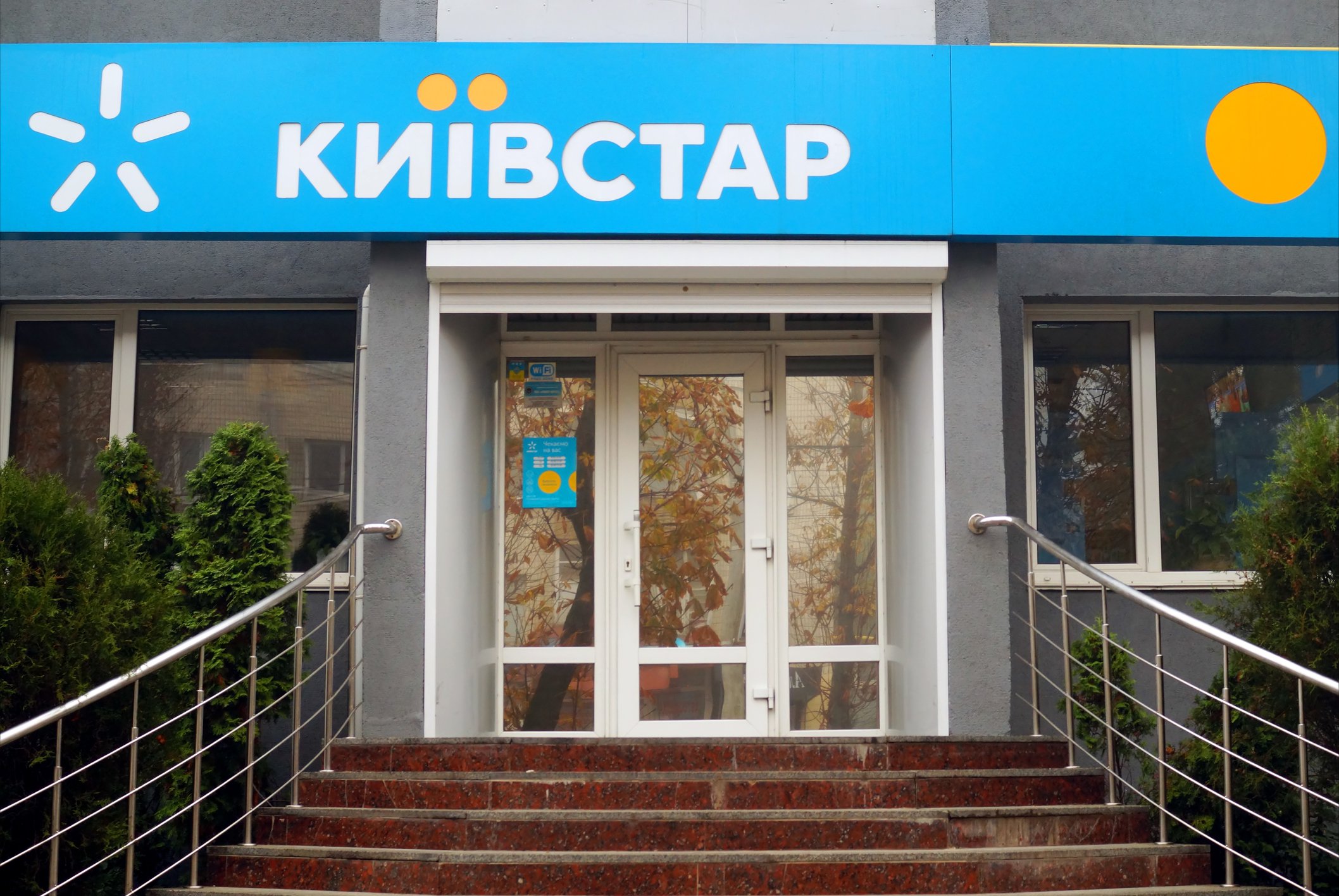
Kyivstar tests Starlink D2C in Ukraine
Also this week, Veon-owned Kyivstar confirmed that it had successfully completed a test of satellite and terrestrial network integration using Starlink Direct to Cell (D2C) technology.
The Ukrainian carrier claimed the test to be the first of its kind in Eastern Europe.
Kyivstar CEO Oleksandr Komarov and Ukraine’s Minister of Digital Transformation, Mykhailo Fedorov, exchanged messages during the trial via Starlink D2C satellite using regular 4G-enabled smartphones. The pilot took place in the Zhytomyr region.
According to the telco, Starlink's D2C data service will enable video communication via messaging apps. The service is still being developed and tested, but is planned to be made available to a wider audience in the future, confirmed Kyivstar.
"This is an important step in the development of infrastructure that will provide access to communication even in places where traditional networks are absent," said Fedorov.
"Despite all the challenges of wartime, we continue to develop innovative solutions, because reliable communication under any circumstances and in any location is one of our key priorities. Therefore, this Kyivstar project is an example of [an] effective partnership between the state, business, and technology companies, which opens the way to the future of communication without borders."
Starlink has been used by Ukrainian troops on the frontline in its war with Russia, which has now lasted for three-and-a-half years.
In the wake of Russia’s invasion of Ukraine in 2022, thousands of Starlink terminals were given to Ukraine, some of which were paid for by the US and other governments.
As of April, more than 50,000 terminals had been sent to Ukraine.
Last month, it was reported by Reuters that SpaceX founder Elon Musk ordered Starlink to cut Internet coverage in parts of Ukraine during a counteroffensive in the earlier stages of the Russian invasion.
In other satellite news:
- French satellite operator Eutelsat has signed an agreement with Tata subsidiary Nelco Limited to deliver OneWeb low Earth orbit (LEO) satellite connectivity services across India. As part of the agreement, Eutelsat and Nelco will provide LEO connectivity for customers on land, at sea, and in the air. Service coverage will extend across India’s borders, territorial waters, and remote regions, confirmed Eutelsat this week.




Comments