
A “Texas-first” data center with an initial 100MW of capacity is being planned for the Lone Star State.
New developer Pace is planning the data center at a site in Glasscock, and said the scheme, dubbed the Lone Star Project, will “reflect a Texas-first development philosophy from start to finish,” prioritizing “Texas-based people, providers, contractors, and vendors throughout development and buildout, aligning the project with the state's energy, infrastructure, and industrial capabilities while reinforcing the local relationships that underpin long-duration projects.”

Pace is a new data center firm based in Austin, Texas, and founded by Preston Stein and Chance Pressley.
Stein, who has a background in the oil and gas industry, said: “The Lone Star Project is being built around speed to power, disciplined execution, and long-term scalability in a location with the ingredients required to support serious compute demand.”
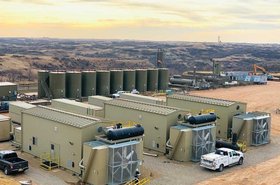
According to Pace, it has already secured 100MW of behind-the-meter natural gas energy for the data center and has secured land, water, and redundant fiber access needed for the project. It believes the campus, which is being designed to cater to AI workloads, could eventually scale to 1GW, but has not put any timeframe on when it will be up and running. It said it intends to try to secure grid energy from Texas power provider ERCOT to aid later stages of the campus buildout.
Pressley said: “Our objective is to build a durable platform in Glasscock County grounded in real infrastructure site control, water, fiber, and substantial behind-the-meter gas positioning - and, wherever possible, to carry that work forward with Texas people and Texas businesses.”
Texas has become the epicenter of the US AI data center buildout, due to the combination of land and power availability, and a favorable regulatory environment for developers. Real estate firm JLL said earlier this year that it expects the state to be the world’s largest data center market by 2030, overtaking Northern Virginia.





Comments