
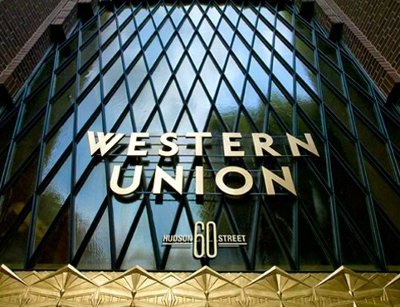

A major new player is making a splashy entry into the New York City’s ripe data center market. Not only is DataGryd offering space and power on four flours of one of the world’s most connected buildings, the new company is more forward thinking than most of its peers on energy use.
DataGryd CEO Peter Feldman said the company was installing a gas-powered cogeneration plant for its future data center at 60 Hudson St. – a major carrier hotel and data center hub – so it could participate in utility demand-response events.
“If we need to load-shed for NYSERDA and the city, we have the capacity to do that,” he said. NYSERDA (New York State Energy Research and Development Authority) is a state agency charged with helping the state reduce energy use and the associated impact on the environment.
DataGryd will be able to shift customers’ electrical load to the 9MW cogen plant, diesel generators or a combination of both.
The company is also planning to test superconducting cable that will allow it to shrink electrical losses associated with transporting electricity over long distances. In addition, plans are in place to test alternative UPS and DC battery technologies.
This is the first data center build for private-equity-funded DataGryd, but one of many for Feldman, who was one of the founders of Telx, a major US colocation and interconnection company that also has space at 60 Hudson. He left Telx in 2002.
Feldman said DataGryd chose New York as a debut location because “I’m very familiar with the New York City market and there’s no [available data center] capacity.”
The project has been in the works for about two years. DataGryd is currently upgrading electrical infrastructure at the site and installing gas turbines for the cogen plant. Design of the data center itself has not been chosen since the company wants to first secure a wholesale tenant and build to suit the tenant’s needs.
DataGryd is designing the electrical infrastructure to handle up to 25MW of power.
It is planning to start testing superconducting cable within the next 12 to 18 months, Feldman said. The appeal of the technology is the ability to transmit electricity over much thinner cable than is normally required with copper. There is no resistance and no losses.
DataGryd’s test will consist of transporting DC power over long distances within the facility.
Feldman did not share details about the alternative battery technologies the company was looking at but said testing of those was also in the works.