
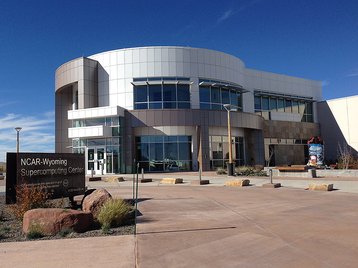
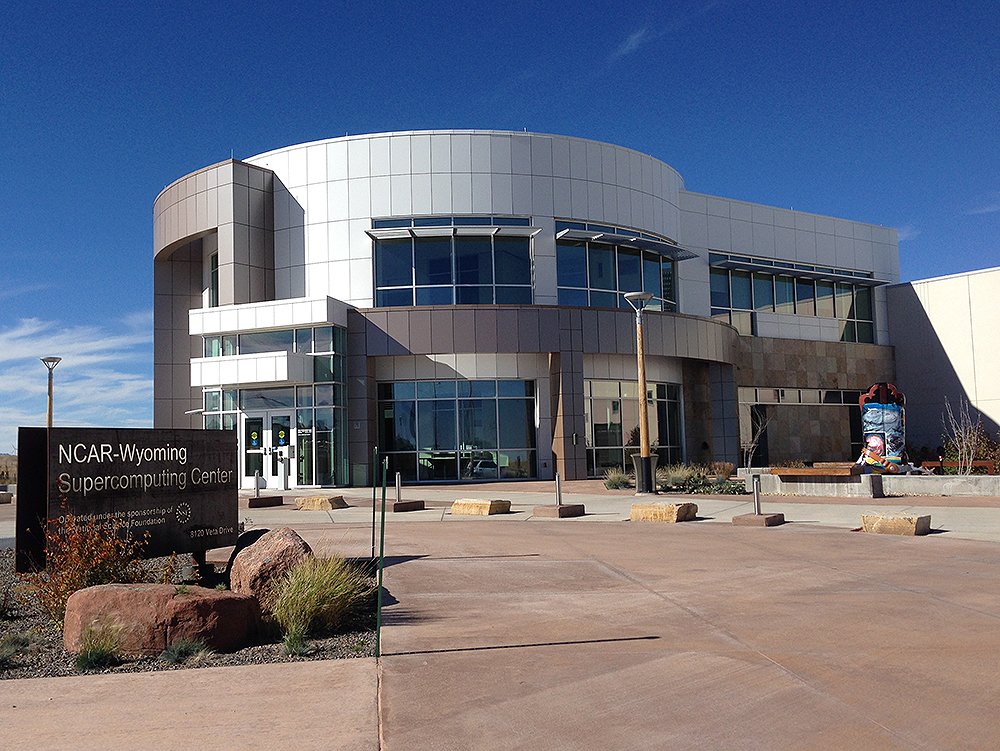
The Trump administration has informed the National Science Foundation's National Center for Atmospheric Research (NCAR) in Boulder, Colorado, that it is transitioning the management and operation of the NCAR-Wyoming Supercomputing Center to a third party.
Per a letter from the National Science Foundation (NSF) to NCAR dated February 12, the decision is in keeping with the terms of NSF's cooperative agreement with the University Corporation for Atmospheric Research.
“NSF is working with all parties to ensure continuity of operations, and additional information will be shared as it becomes available,” the letter concluded.
Plans by the US government to dismantle NCAR were first reported in December 2025, with Russ Vought, the Director of the Office of Management and Budget (OMB), reposting a USA Today article outlining the plans.
In his accompanying post, Vought wrote: “The National Science Foundation will be breaking up the National Center for Atmospheric Research (NCAR) in Boulder, Colorado. This facility is one of the largest sources of climate alarmism in the country. A comprehensive review is underway & any vital activities such as weather research will be moved to another entity or location.”
That same month, CNN separately reported that the government was likely taking aim at the institution due to the President’s dislike of Colorado’s Democratic Governor Jared Polis and his refusal to grant a pardon to Tina Peters, who was jailed for nine years after being found guilty of committed criminal acts as part of an effort to prove Trump’s false claims of widespread voter fraud following the 2020 election.
Opened in 2012, the NCAR-Wyoming Supercomputing Center runs weather and climate research models that are accessed by 1,500 researchers from more than 500 universities across the US. In August 2023, the center launched its Derecho supercomputer, a HPE Cray EX cluster offering 19.87 petaflops of compute power. The system features 2,488 compute nodes with 128 AMD Milan cores per node, and 82 nodes with four Nvidia A100 GPUs each.





Comments