
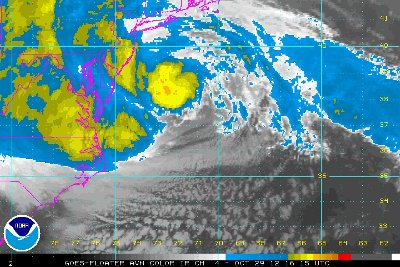

Hurricane Sandy and the mayhem that followed was undoubtedly the year’s biggest story for the North American data center market and, not surprisingly, one of the most-read topics on our website. (A lot more on Sandy in our cover feature starting on Page 18.)
Another story that topped the list was the call by Google’s VP of data centers Joe Kava on the data center industry to band together in addressing the industry’s impact on the environment. Kava made the call during a presentation at the DatacenterDynamics conference in New York in March.
Readers’ interest in this story may indicate that the industry is getting increasingly conscious of its impact on the environment and its public image. The world outside of the data center industry is becoming increasingly aware of the Internet infrastructure, and Google is one of a handful of companies that have become the industry’s poster children.
Another story that drew the public’s attention to data centers was the massive facility the US spy bureau called the National Security Agency (NSA) is building in Utah. DatacenterDynamics originally reported on this project back in 2009, when the NSA first made plans for the US$2bn construction project public. But a cover story by Wired Magazine earlier this year rang alarm bells by saying the agency was building a data center that would potentially store massive amounts of data the government collects on its own citizens.
Cloud is a household name nowadays, and if somebody wants to make a point about the Cloud, chances are, they will use Amazon as an example. Ironically, the largest public-cloud provider’s example is used both to make the point that the Cloud is a great alternative to physical infrastructure and to prove the opposite. Therefore, when Amazon’s cloud has an outage, the news resonates everywhere: from trade mags to evening news. People like to read about “the failure of the Cloud”, and the DatacenterDynamics FOCUS news website is no exception. Some of the most clicked-on stories on the site were coverage of two major outages the company’s infrastructure suffered in the summer.
The first incident came in mid-June, when a faulty breaker led to a failed load transfer to a backup generator at one of the company’s Northern Virginia data centers after the facility lost one of its utility feeds. As a result, some of the most popular websites on the Internet, such as Pinterest, Heroku, Quora and Foursquare, went down either partially or completely. For some, the problems persisted for as long as eight hours. High-profile Amazon customers suffered outages once again about two weeks later, when a generator failed to stabilize. This incident also happened at a Northern Virginia data center.
This article first ran in the latest issue of DatacenterDynamics FOCUS magazine (follow link for free subscription).