
Smelting firm Korean Zinc is in talks with US-based technology companies about a plan to extract and recycle rare earth minerals from old data center equipment.
The firm’s chairman, Yun B. Choi, revealed the news in an interview with Reuters.
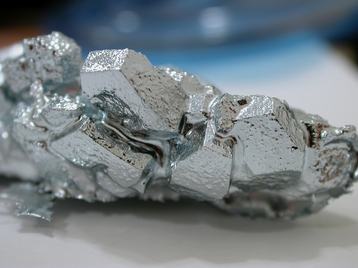
Currently, 90 percent of rare earths, which are used in the manufacturing of electronics for data centers, as well as in industries such as aerospace and defense, are sourced from China.
Trade tensions between Beijing and the US, exacerbated by President Donald Trump’s threats of heavy tariffs on Chinese goods, have led to China imposing controls on the exports of rare earths, which came into force last year.
Under the rules, foreign companies operating in China must get government approval to export even small amounts of controlled minerals. This move has threatened to disrupt tech supply chains in the US and around the world.
"The US government has been continuously advocating for recycling critical minerals, because they are aware that a significant amount of such minerals from waste was exported to China via several countries," Choi told Reuters.
"We have been quietly researching technologies to extract rare earths over the past two years. If we can provide a solution or a process to extract, refine, and provide new rare earths in the United States, I think the business value would be significant.”
The executive did not name the other companies involved, but said Korea Zinc had been laying the groundwork for the deal by investing in recycling, purchasing an electronic waste recycler and scrap metal trader, and forging a partnership with a company that specializes in mineral separation technology.
In December 2025, Seoul-headquartered Korea Zinc announced plans to build a $7.4 billion smelter in Tennessee, with much of the funding being provided by the US government.
It will apparently be capable of producing 540,000 tons of non-ferrous metals, including critical minerals such as antimony, gallium, and germanium.



Comments