

Intel Corp. reported flat year-over-year revenue from its data center business in the second quarter. The business unit did better than the company did as a whole, however.
Intel's revenue went down to US$12.8bn from $13.5bn it reported for the second quarter of 2012. Its net income for the quarter was $2bn - a drop from $2.8bn it reported for the same period last year.
Earings per share were $0.39 - down from $0.54 reported for Q2 2012.
The Data Center Group's revenue for the quarter was $8.1bn. It was the only one of three business groups whose revenue did not decline year over year.
The PC business made $8.1bn in sales – down 7.5% year over year. The Other Intel Architecture Group, which combines notebook, mobile, embedded and other businesses, reported $942m – a 15% decline from the second quarter of last year.
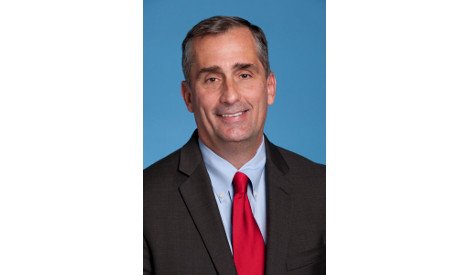
In his comments on the results, Intel's new CEO Brian Krzanich emphasized importance of the mobile market to the company's future. “Intel Atom and Core processors and increased SOC (system on chip) integration will be Intel's future,” he said.
“We will leave no computing opportunity untapped. To embrace these opportunities, I've made it Intel's highest priority to create the best products for the fast growing ultra-mobile market segment.”
While mobile is a major focus, Intel has been actively revamping and adding products to its server-processor lines.
In June, the company launched a new family of Xeon E3 processors, based on a new Haswell architecture and a new 22-nanometer manufacturing process. The release included 13 processors for data center applications ranging from entry-level servers and microservers to data-center-level graphics processing.
Xeon marketing director Dylan Larson said that was only the beginning of a string of new data center processors the company was planning to release this year. The next announcement may come as soon as next week, when Intel is hosting a two-day data center-focused event in San Francisco.
Formerly Intel COO, Krzanich was promoted to the CEO role in May. He replaced Paul Otelllini, who announced plans to retire in 2012.
Another major change in upper management came in late June, when the company's CTO of eight years Justin Rattner announced that he would be leaving the post. The company explained the change by a corporate policy that did not allow anyone older than 65 to hold a corporate-officer role.
In June, Intel said Rattner would be leaving to attend to a family matter but would come back to serve in a different role. The company did not say what that role would be.