
First Nations on the Fort Peck Reservation in Montana have been banned from entering discussions with companies looking to build data centers.
The Fort Peck Tribal Executive Board, which represents the Assiniboine and Sioux First Nations that live on the reservation, voted to ban talks between tribal governments and data center developers amid concerns over the environmental impact of digital infrastructure projects.
Board chairman Floyd Azure said tribal governments had been approached by three different data center developers looking to build on the reservation in the last year.
"We asked them questions," he told the Montana Free Press. "One of the main questions is what is this going to bring to the tribes and how will the tribes benefit. And they didn't have an answer. So, what we took from that is, all they want to do is utilize our resources. And I thought, 'No. There's no way we're going to give that up. We do not want them here.'"
Tribal executive board member Roxanne Gourneau added: "Fort Peck historically struggled with acquiring clean, drinkable water due to contamination. We cannot compromise our water and environment with uncertainty after millions were invested to acquire drinkable water."
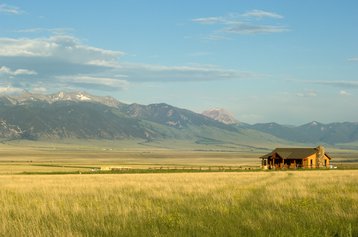
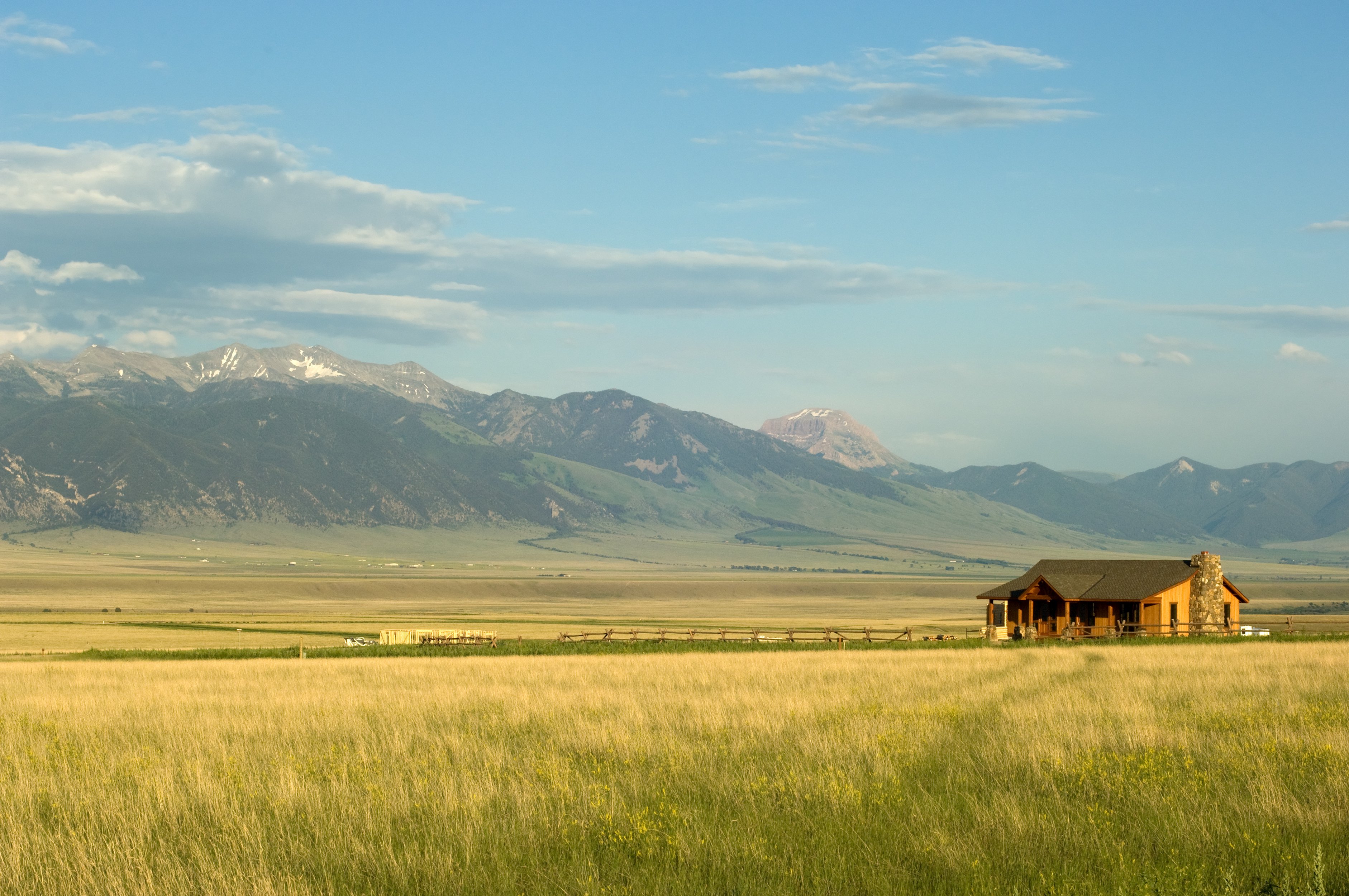
Azure said the board was concerned any new data centers could harm the reservation and its natural resources. Spanning some 2 million acres, it is home to farmland and the Fort Peck Lake, a reservoir with 1,500 miles of shoreline.
"We've got enough problems here from previous companies coming on and destroying our land, and we basically get stuck holding the bag," Azure said. "One thing we are taking care of is our natural resources."
First Nations across North America have taken different approaches to data centers being built on tribal land. Some, such as the Woodland Cree First Nation in Alberta, Canada, have embraced the AI boom, planning new campuses on their land. Others, including the Shoshone-Bannock Tribes in Idaho, have been vocal in their opposition to data centers.




Comments