

Many companies may have already taken substantial steps to advance what may become future sustainability programs without actually having such programs. With rising power densities in the data center, many organizations have undertaken data center consolidation initiatives through virtualization, infrastructure and technology upgrades or – in most cases – both.
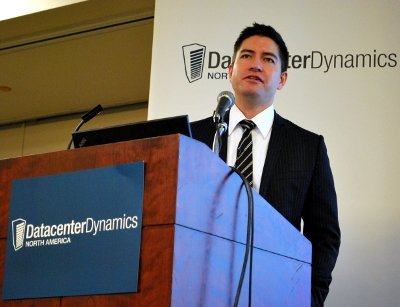
Anthony Rydell, senior manager at Deloitte Consulting, said these consolidation initiatives are large steps toward what he calls “Green IT” and the IT organizations that have undergone them need to reframe their communications about consolidation and speak up about it.
“Many IT organizations may have already completed a number of initiatives that fall under the Green IT umbrella, so it’s an opportunity for those within IT to promote their ability to help drive sustainability,” Rydell said during a presentation at the DatacenterDynamics conference in Chicago Thursday.
Data center consolidation and subsequent increases in energy efficiency are part of what Rydell calls the first wave of Green IT. This wave also includes a re-examination of the way business communication is done, the organization’s paper usage, its technology waste, business processes, non-data center energy usage, applications and end-user computing.
The next wave of Green IT focuses on IT’s ability to drive sustainability and develop a coordinated sustainability information framework. The C-suite of executives is getting increasingly concerned with sustainability, a concern that’s in many cases spurred by regulators. More and more often, C-level executives need to address inquiries on sustainability performance from stakeholders, consumers, and NGOs, so they need quick and easy access to such information about their companies, which requires an efficient information framework.
Additionally, if stricter environmental regulations get passed, such as a carbon ‘cap-and-trade’ scheme that has been enacted in Europe and a similar one that’s being considered by US legislators, an efficient information framework about corporate sustainability is going to be necessary to comply.
“Manually entering your data on spreadsheets? That’s probably not going to cut it if a strict regulatory framework comes into play,” Rydell said. “That may be a potential audit red flag.”
A coordinated and efficient information framework for corporate sustainability needs to include the capability to analyze collected data and synthesize information in a variety of forms, required by different types of staff within the wider organization. In addition to a CEO needing immediate answers for a congressional board hearing, a CFO, for example, may need to know the financial impact of sustainability initiatives, while a CIO may want to know how much energy IT consumes every month.
An effective information framework enables access to information about the enterprise to those who need it in the form they require.
Related Stories