
Danish state-owned grid operator Energinet has introduced a three-month temporary pause on new grid connections due to demand exceeding the grid's current capacity.
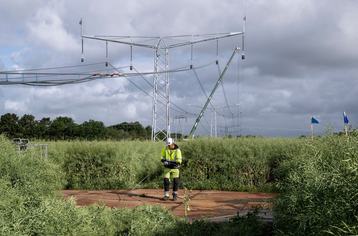
The grid operator cited the speed and scale of new large-scale consumption projects, particularly from the data center sector, as major drivers of the decision.
“Energinet is already expanding the electricity grid at a historic pace, with more projects underway than ever before. But we need to build even more grid infrastructure – and we must do it faster. At the same time, we are facing a situation where demand exceeds the capacity we can realistically make available in the short term," said Kim Willerslev Jakobsen, director of System Operations at Energinet.
"This not only affects customers directly connected to the transmission grid, but can also be felt in local distribution networks. We therefore need to temporarily pause and establish a clear overview so we can act responsibly and ensure that capacity is used where it has the greatest impact.”
In addition to the temporary pause, the grid operator is also extending the processing time for projects currently in the screening and maturation phases.
According to Energinet, the pause will last three months or until a comprehensive overview of the consequences of current demand has been established and new measures to increase capacity have been implemented.
Projects that have already signed a grid connection agreement will not be impacted by the pause; however, the operator noted that all other projects seeking a connection will experience longer processing times, and no new grid connection agreements will be signed during the pause.
In the interim, Energinet is advancing a package to release as much grid capacity as possible to meet the growing demand. The package will focus on three tracks: fast investment decisions and acceleration of projects at the interface between the transmission and distribution networks; the introduction of technical measures to increase available capacity in the short term; and the prioritization of the grid connection queue in cooperation with distribution system operators.
“The electricity grid functions as one integrated system. This means that, for a period, we must make faster investment decisions, sharpen prioritization, and ensure that capacity does not simply follow new applications but also supports the organic growth and stability of the collective electricity supply system,” said Jakobsen.
Denmark has seen a surge in proposed hyperscale data center developments. Major projects include a 550MW campus in Esbjerg proposed by Prime Data Centers and two Microsoft facilities in Esbjerg and Varde, intended to support its cloud region in the country. It is unclear what impact the pause will have on these developments.
Capacity constraints have already led several countries and cities across Europe to impose moratoriums on new data center developments. For example, Ireland has localized bans, including a moratorium on new data center developments in the Dublin area since 2022.





Comments