
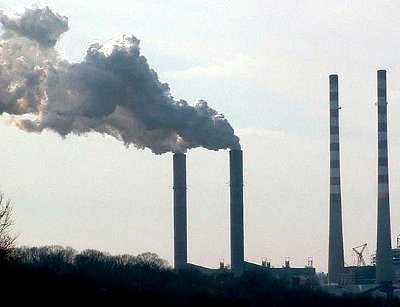

The amount of Britain’s spare generation capacity will drop dangerously low by 2015 as a result of the UK’s environmental regulation and Europe’s financial crisis, according to a new report by the UK’s regulatory body for the energy sector.
The law that directs energy companies to shut down old coal- and oil-fired power plants by 2015 is called Large Combustion Plant Directive (LCPD). It was passed in 2001.
Potential outcomes of the crisis could be higher wholesale electricity rates and possibly blackouts. The report by Ofgem predicts that today’s spare generation capacity of 14% of demand may drop to only 4% by 2015, which means the grid will have less headroom to absorb spikes in demand.
For the nation’s data center industry, this may cause an increase in operational costs. They may end up paying more for electricity and finding themselves running their facilities on generator power more frequently, if there are blackouts.
“The high level of spare capacity in the GB [Great Britain] electricity market is set to end quite rapidly over the next few years,” the report says. “Power stations ‘opted out’ under the LCPD are using up their running hours faster than expected.”
Andrew Wright, a high-level Ofgem executive, told the UK newspaper The Guardian that the report did not merit panic just yet.
“It is too early to be alarmist about the lights going out,” the paper quoted him as saying. “It is likely the tightening of the market will lead to higher wholesale prices.”