
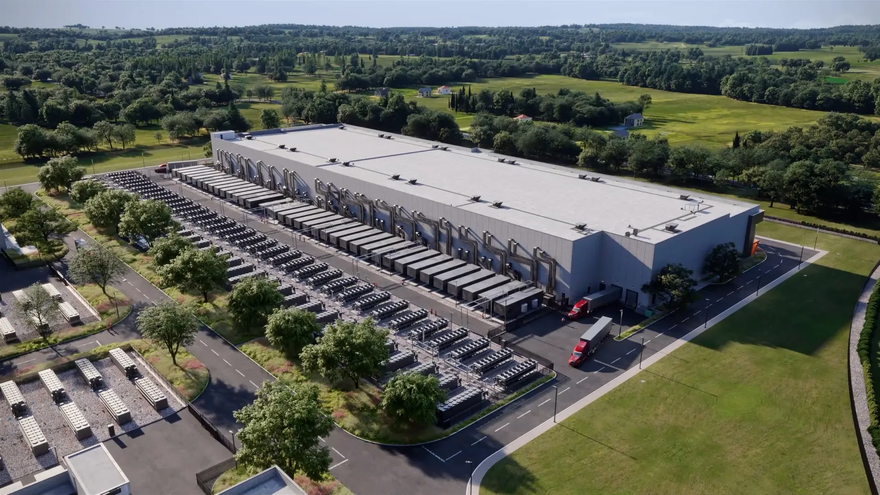
Texas and regulation do not ordinarily go hand-in-hand, but these are not ordinary times in the data center industry.
The backlash against the AI data center build-out, which has swept through US communities from California to Connecticut, has hit the Lone Star State, normally known as a low-tax, pro-business environment.
With the midterm elections looming, Governor Greg Abbott has put a pause on new grid connections for large load users such as data centers, while an audit of applications is carried out. Any developers not planning to pay their own way when it comes to power will likely be denied a grid connection, while new data centers will also have to comply with rules around water usage.

DCD Magazine #62 - The coming wave
Will compute at sea sink or swim?
Connection requests totaling 470GW are currently sitting in the queue for grid operator Electric Reliability Council of Texas (ERCOT), so the audit could take a while. Raul Martynek, CEO of Dallas-based data center developer DataBank, admits his firm was caught slightly unawares by the development.
“We weren’t really expecting it,” says Martynek. “The governor is addressing what you’re seeing in the country with pushback on data centers, and the fact that it is election season may have something to do with this because, from an issue perspective, it’s top of mind for voters.
“AI has caused a huge amount of speculation, and there are zero barriers to entry if someone wants to buy a piece of land in a remote location and put in an interconnection request. I understand this is a legitimate concern for a regulator, and this process will allow them to separate wheat from the chaff.”
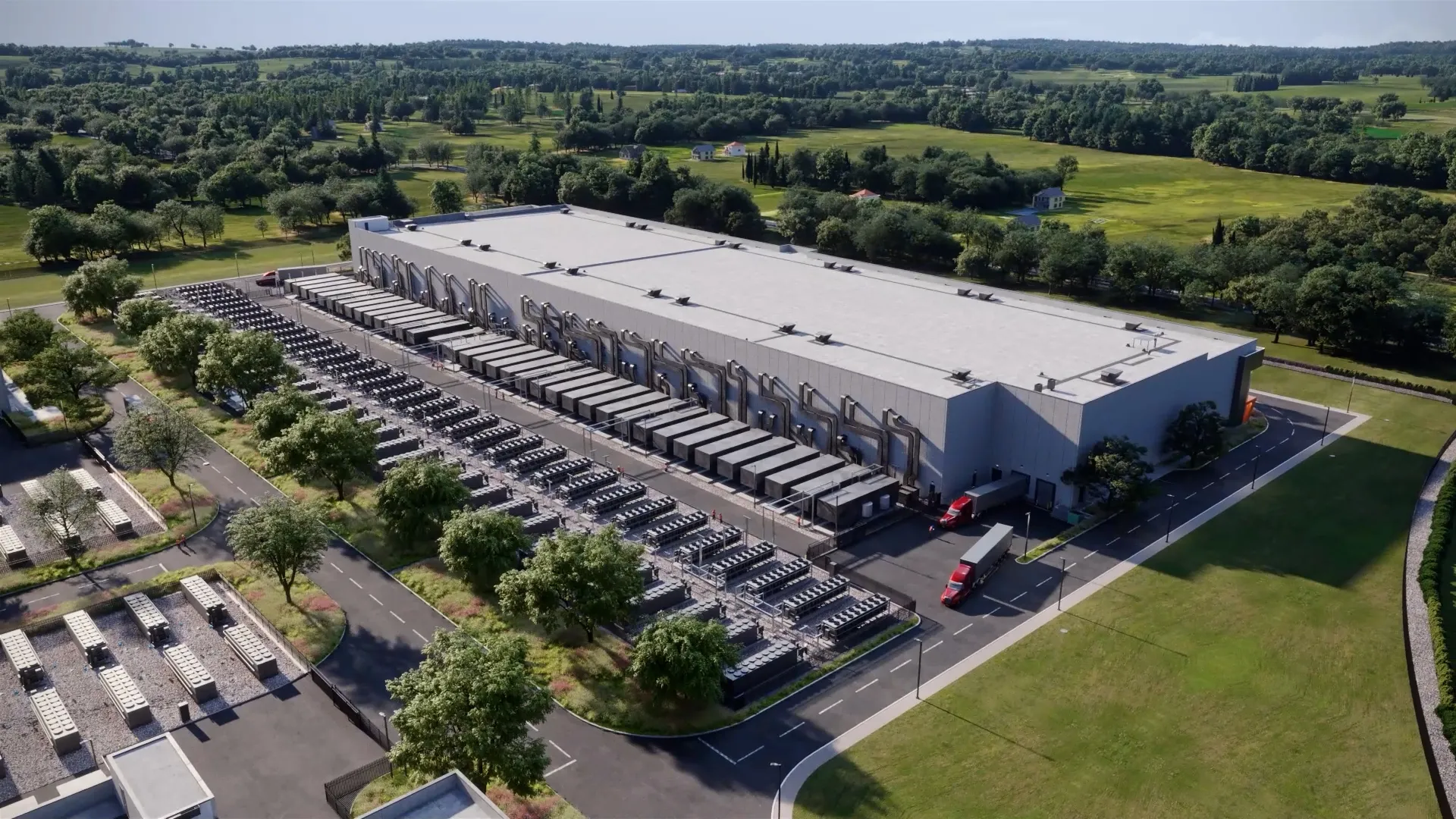
DataBank has 1.3GW of data center capacity either installed or under construction, serving both hyperscale and enterprise clients, and 40 percent of this is in Texas. It has several projects on the go in the state, including a scheme to add a fourth building to its campus in Red Oak, a city south of Dallas, which will deliver an additional 60MW of capacity to the site.
Martynek says his company will be pressing ahead with its plans in Texas, and does not believe the impact of the requirements set out by Abbott and ERCOT will be significant.
“We’re used to this, and our investors ask for this kind of information all the time,” he says. “It’s really not that onerous, but it will help manage demand going forward - there needs to be more scrutiny on people trying to connect to the grid.”
While Martynek is, unsurprisingly, not in favor of a full data center moratorium of the kind seen in New York and proposed in other parts of the US, he does believe some national legislation is required to address people’s fears around the impact of AI.
“Our view is that the opposition to data centers stems from people’s fear of AI,” he says. “Just like any advanced technology, there should be reasonable regulation around how AI gets rolled out. We have guardrails around telecoms and the Internet, why wouldn’t we have similar guardrails for AI?
“The current administration has been pretty hands-off, and that’s what’s fueling pushback on data centers, because people are listening to these stories about a dystopian future where data centers are going to take their jobs.”
Texas had been on track to become the largest data center market in the US, surpassing Northern Virginia, but the impact of the pause could be significant. Figures from BloombergNEF suggest 20 percent of planned US data center capacity is at risk because of Abbott’s actions.
The audit impacts almost 49.8GW of projects seeking a grid connection, and could cost upwards of $8 billion by the first quarter of 2027, analysts claim. Should the pause extend further, the risk would become more extreme.
But Martynek is confident a long-term solution will be found that benefits the data center sector. “We still think Texas will be a good state for data center developments, and we think this will work itself out,” he says.
This feature first appeared in Issue 62 of DCD Magazine. Register here to read the full magazine, free of charge.



Comments