
Unified communications vendor Avaya has successfully completed its debt restructuring and emerged from Chapter 11 bankruptcy.
The company filed for bankruptcy back in January, suffering from mounting debt and a declining hardware business. A spin-off from Lucent, which in turn was a spin-off from AT&T, Avaya became a private company in 2007 following an $8.2 billion deal with Silver Lake Partners and TPG Capital.
It makes products for communications and messaging, video conferencing and call centers, sells software and services. In 2009, after spending $900 million to buy Nortel’s Enterprise Solutions division, Avaya entered the networking market. During its restructuring, it sold this division to Extreme Networks for approximately $100 million.
Back to black

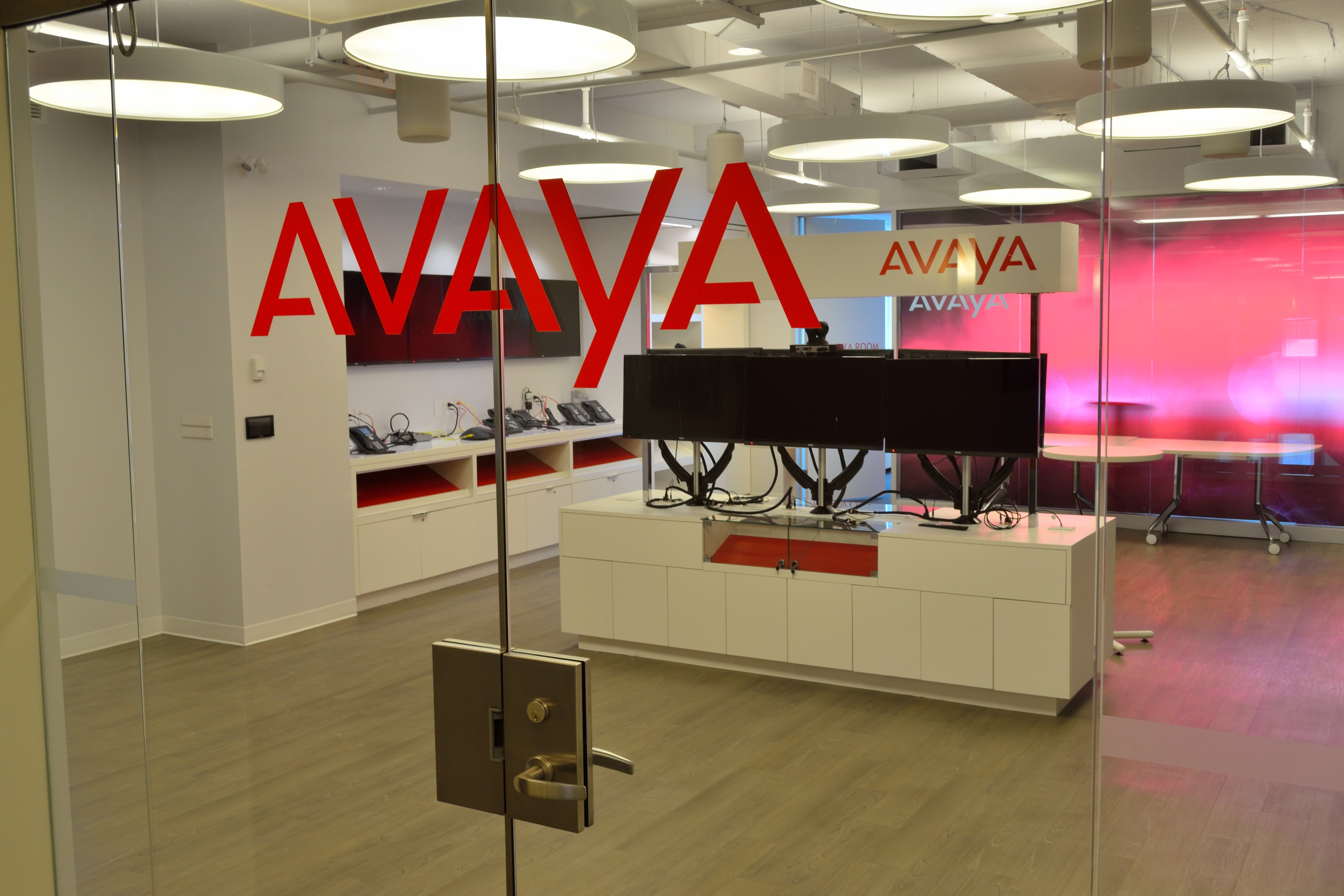
“This is the beginning of an important new chapter for Avaya,” Jim Chirico, Avaya’s president and CEO, said.
“In less than a year since the commencement of our Chapter 11 restructuring, Avaya has emerged as a publicly traded company with a significantly strengthened balance sheet. Overall, we reduced our prior debt load by approximately $3 billion, and we exit today with more than $300 million in cash on our balance sheet.
“The reduction of our debt and certain other long-term obligations will also improve annual cash flow by approximately $300 million compared to fiscal 2016.”
He added: “We have the flexibility we need to invest in the large and growing contact center and unified communications markets as we complete our transformation to a software, services and cloud solutions provider.”
The company is now working to be listed on the New York Stock Exchange, and expects to have approximately 110 million shares outstanding upon emergence.
Comments